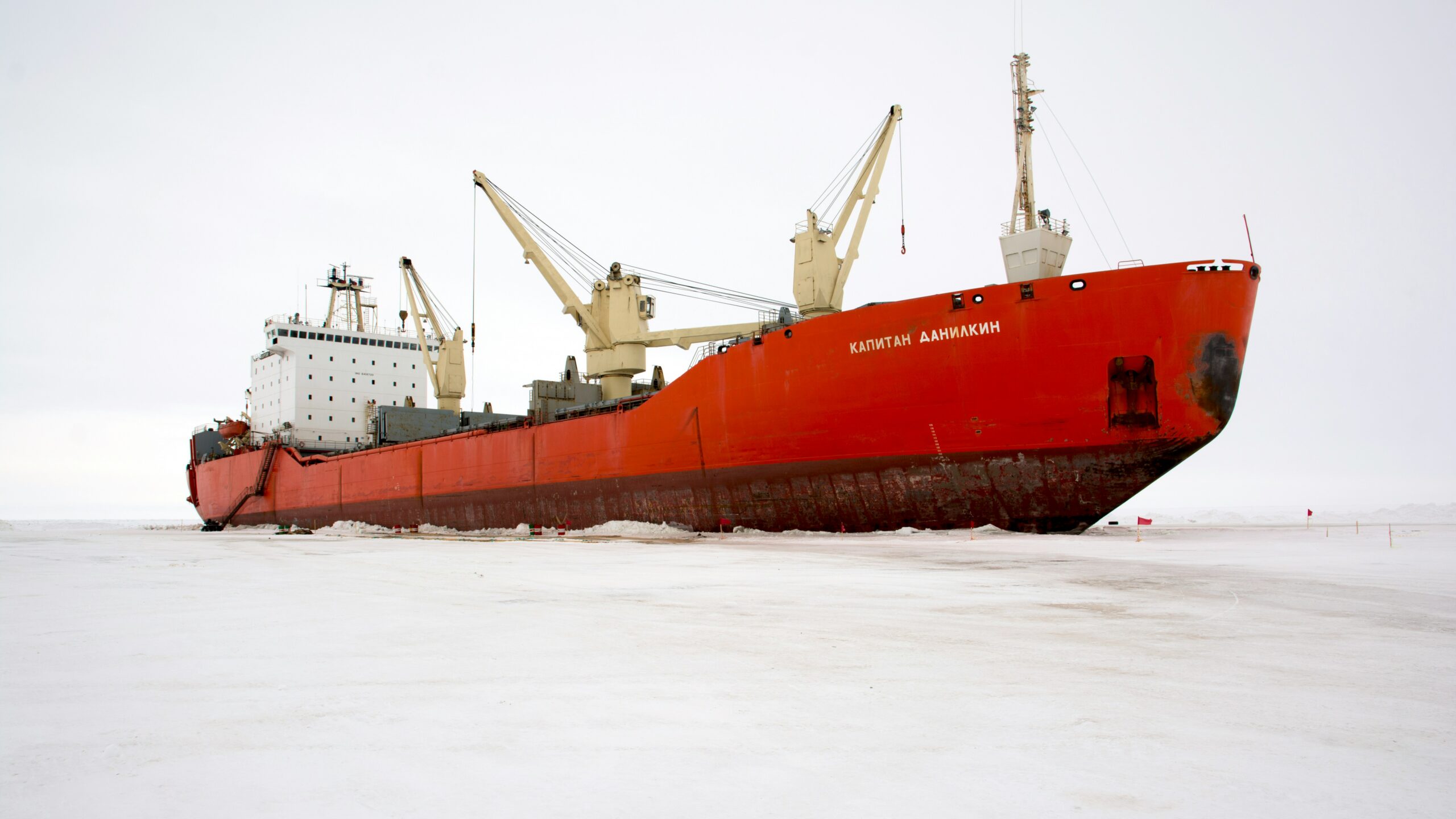
The United States, Russia, and China rivalry in the Arctic: Strategies and Stakes
For decades, the Arctic remained a distant frozen frontier, largely overlooked in global strategy. Its icy expanses and extreme climate kept most nations at bay, and only indigenous communities, explorers, and researchers ventured into its harsh landscapes. Today, however, the region is transforming rapidly Climate change has reduced ice levels, revealing vast reserves of oil, gas, and strategic minerals. At the same time, thawing waters are creating new maritime routes that could reshape international trade.What was once a peripheral space has become a critical arena of competition where geography, resources, and strategy intersect.
The United States and Russia, long the dominant Arctic powers, are now joined by China, which seeks a foothold through science, investment, and maritime planning. Each actor approaches the region differently: Moscow relies on its geographic dominance and resource control, Washington leverages military and energy interests in Alaska, and Beijing pursues influence without formal territorial claims. Together, these dynamics are redefining the strategic map of the High North and changing Features of the international system.